Creazioni artistiche

Creazioni artistiche

Vatican City

Vatican Gardens

by Progetto Arte Poli

The mosaics of the Vatican Gardens

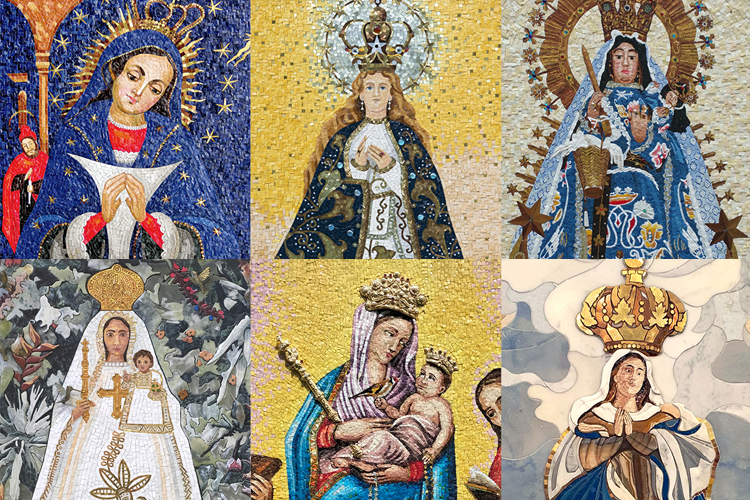
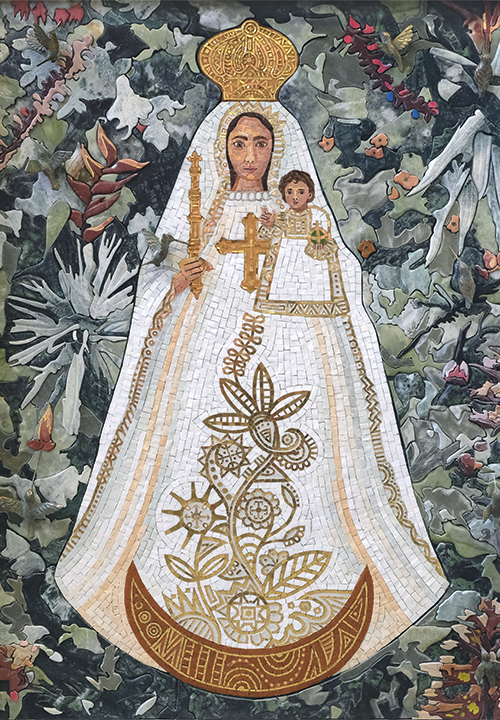
The mosaics located in the Vatican Gardens faithfully reproduce the iconographic images of Mary in the different South American cultures that developed over time. 

It is a journey of faith that runs through art and the history of these places, just as the devotion of each people to Mary is revealed in every image.

mosaics made for the vatican gardens

Some of the mosaics made by Progetto Arte Poli

Virign of the Thirty-three

Uruguay

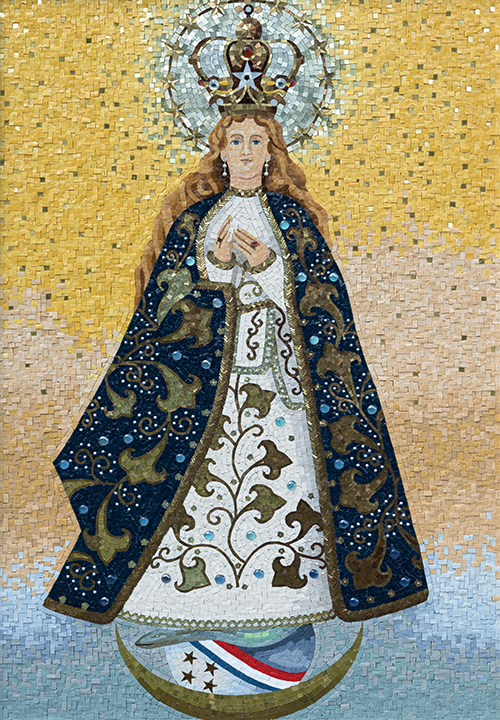
The Virgin of the Thiry-three is among the most widespread Marian images in Uruguay. The image derives from a small statue, 36 cm tall, which according to tradition came from the Jesuit missions. It has been venerated since 1825, when, during the country’s struggle for independence, a group of patriots, thiry-three to be exact, entrusted their mission to Mary, which resulted in a success thus giving the name to the icon. The shrine dedicated to her in the city of Florida was also visited by Pope John Paul II in 1988.

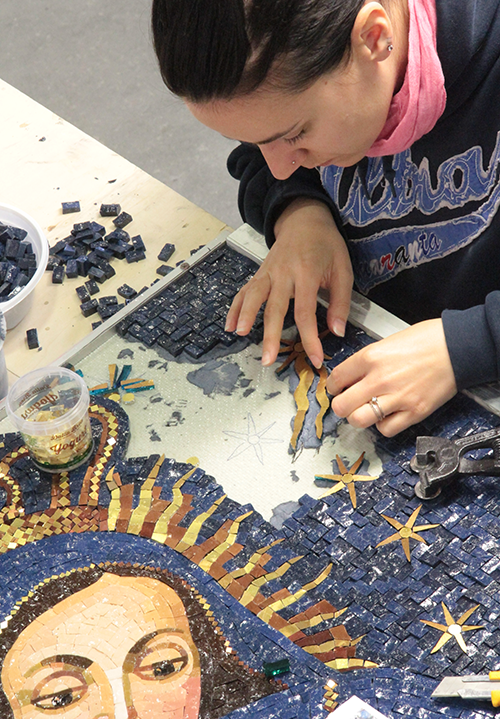
Detail of the making of the mosaic made for the Urugayan embassy

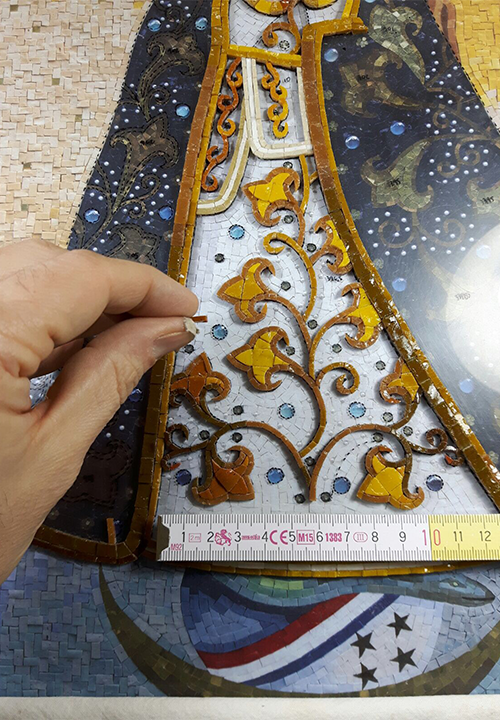
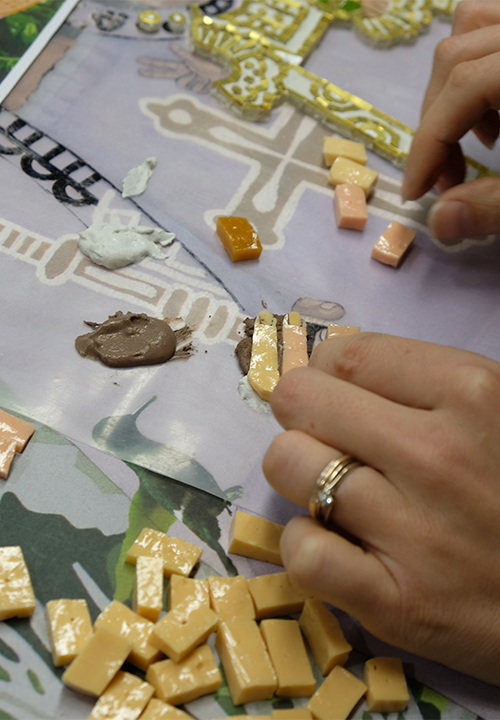
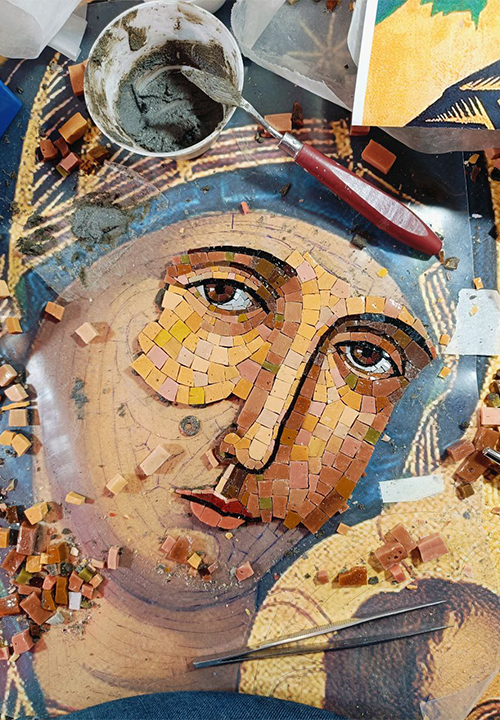
The making of the mosaic

mosaic made for the uruguayan embassy

Mosaic of the Virgin of the Thirthy-three

The Virgin of Altagracia

Dominican Republic

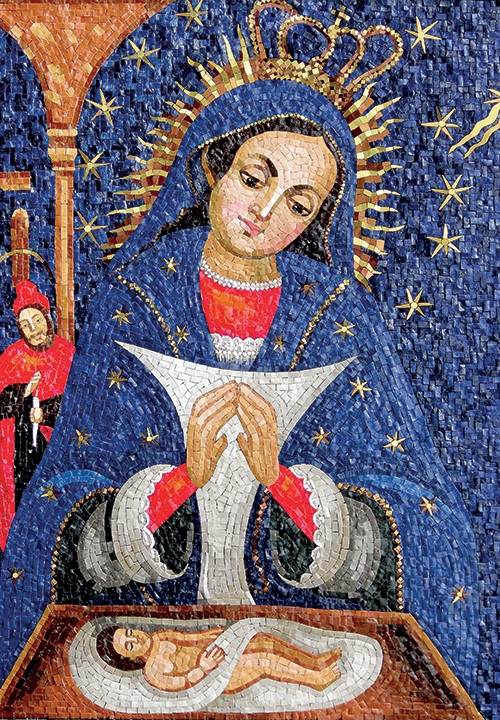
The shrine dedicated to the Virgin of Altagracia in Villa Higüey was the fist one to be erected in the Americas. Various accounts attest to the origin of this icon, including a text dated 1650 in which it is written that two gentlemen brought the Image to the island in 1506. Crowned by Pope pius XI and by Pope John Paul II, the Virgin of Altagracia was proclaimed national patroness in 1924. Today, all dominicans, even non-believers, invoke the Virgin of Altagraica in their moments of sorrow and joy.

Detail of the making of the mosaic made for the Paraguay embassy

The making of the mosaic

mosaic made for the bolivian embassy

The finished mosaic

Our Lady of Caacupè

Paraguay

Our Lady of Caacupé is a widely venerated image in Paraguay, and her devotion is immensely popular today. Her veneration, according to the legend, started from a Guaranì indigenous man invoked the Immaculate one to save himself from the attack of an enemy tribe. Over the following centuries, many miracles were attributed to Our Lady of Caacupé, among them the receding of the waters of Lake Ypacaraí, which during the great flood of the 1600s thereatened to destroy the surrounding populations. It was from that time that people started calling her the Virgin of Miracles.

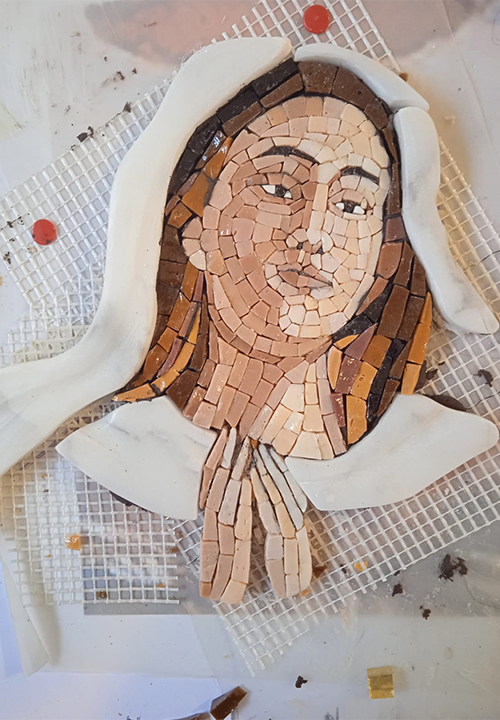
Detail of the making of the mosaic made for the Paraguay embassy

The making of the micromosaic

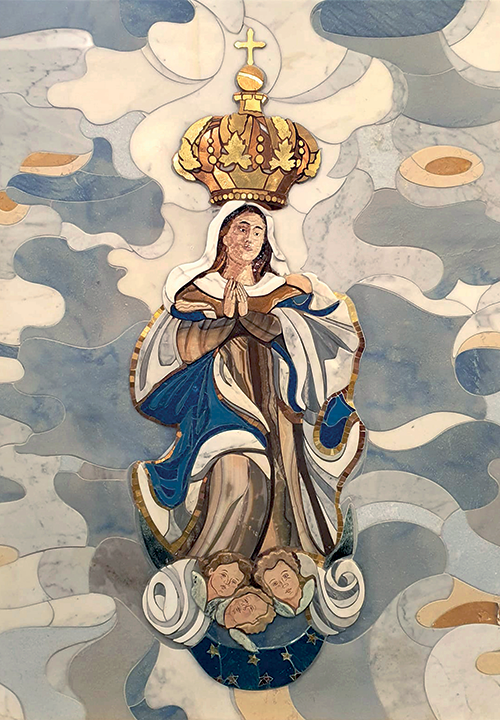
mosaic made for the Paraguayan embassy

The finished mosaic

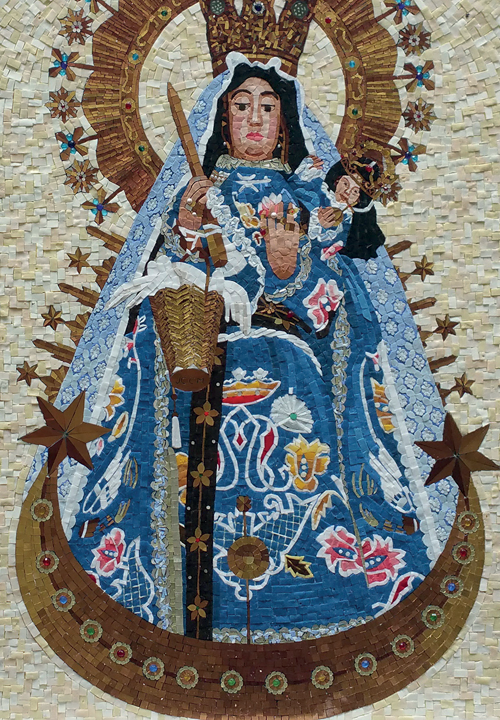
The Virgin of Copacabana

Bolivia

The story of the Virgin of Copacabana begins in the mid-1500s, when the young Tito Yupanqui after attending cathechism developed such a strong devotion to Our Lady that he decided to create an icon with his hands. The staue did nit appear to be beautiful enough to be placed in his village’s church until one day, the image itself began to give off flashes that were visible to everyone. After that the statue was moved to Copacabana and her veneration increased to the point that on 1 August 1925 she was crowned and declared Queen of the Nation. 

Detail of the making of the mosaic made for the Bolivian embassy

The making of the mosaic

mosaic made for the Bolivian embassy

Mosaic of the Virgin of Copacabana

The Virgin Chiquinquirà

Colombia

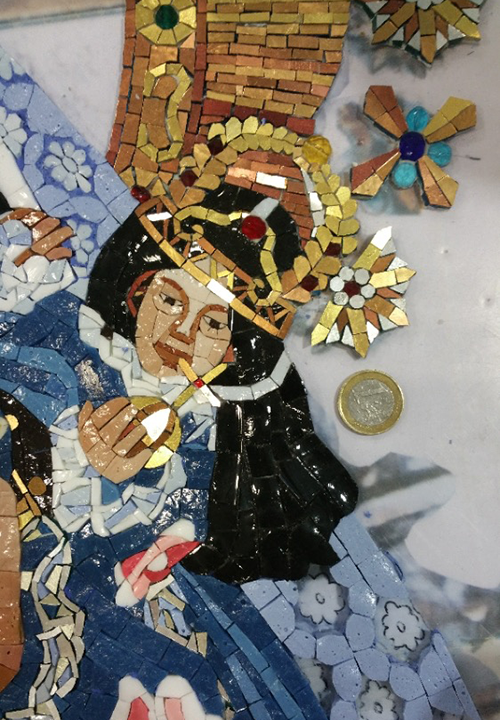
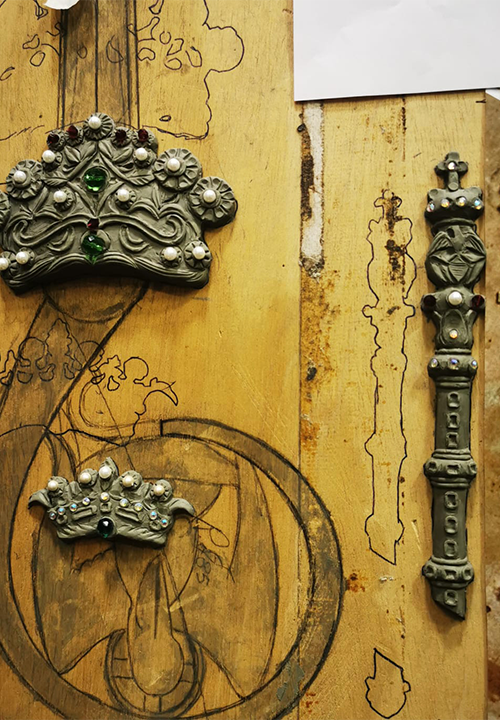
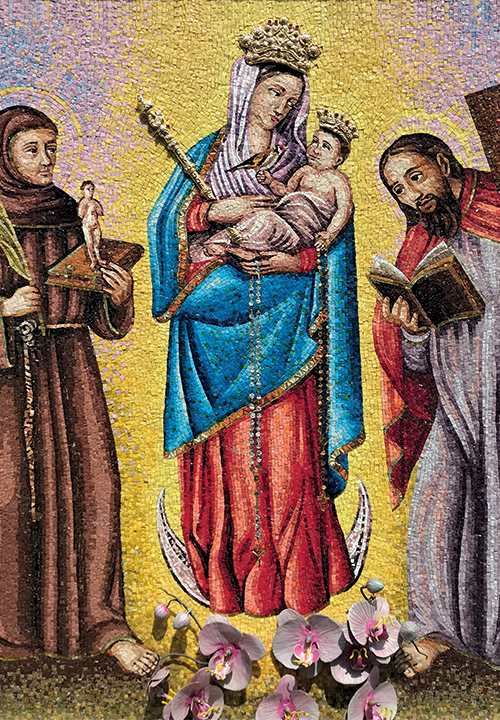
Our Lady of the Rosary of Chiquinquirá is the oldest Marian icon in Colombian art of the colonial period. Dating from the 1560s, it was created at the whish of Spanish Dominical friars, who chose it as the emblem of the Shrine of Chiquinquirá. It is an icon that plays a decisive role in the history of sacred art, since it is from this image that new iconographic tradition of the Virgin of the Rosary is traced. The Virgin is infact portrayed holding an imposing coral rosary while supporting the Child. Around her stand St. Anthony of Padua and St. Andrew, whith the elements that clearly represent their iconographies. The Virgin of the Rosary is today the Queen and the Patroness of Colombia.

Detail of the mosaic made for the Colombian embassy

Clay models of the elements inserted in the mosaci

Detail of the mosaic made for the Colombian embassy

Mosaic of Our Lady of Chiquinquirà

Virgin of El Quinche

Ecuador

The image of Our Lady of El Quinche derives from a 16th century wooden sculpture attributed to Duego de Robles. The story tells that the indigenous people of Lumbisí wanted an image of the Virgin but later disagreed on the price and left the statue with Robles. Meanwhile, the indigenous people of Oyacachi received three visit from a Lady with child telling them that if they seeked and learned about the faith of the missionary of el Quinche, she would rid them of the plague that was afflicting them. It was in this way that the image came into the possession of this tribe. The Virgin of El Quinche embodies the entire religious tradition of Ecuador, and in 1931 she was crowned as Patroness and Queen of Ecuador by Archbishop Manuel María Polit. In 2015 Pope Francis visited the shrine of Our Lady, acknowledging its religious importance. 

Detail of the mosaic made for the Ecuador embassy

Making of the mosaic

mosaic made for the Ecuador embassy

Finished mosaic

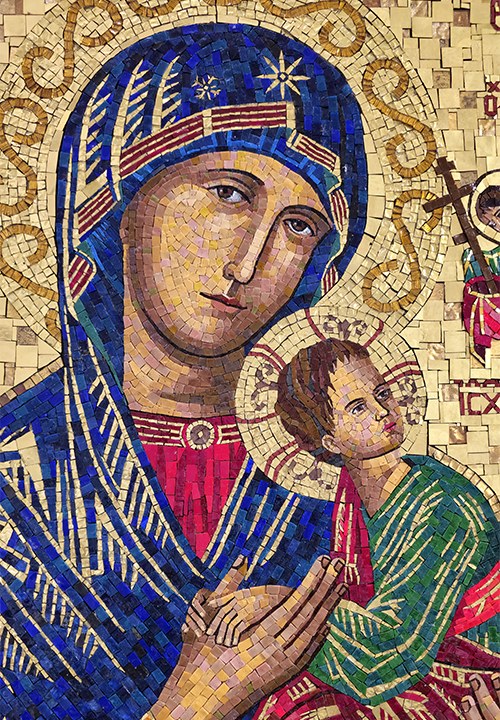
Our Lady of Perpetual Help

Haiti

The legend concerning the origins of the cult of the Mother of Perpetual Help at San Matteo in Merulana originates from the account of a Jesuit friars based on a period parchment. A merchant stole the icon in Crete and was later saved from a shipwreck and arrived safely in Rome. On his deathbed he asked his friend to display the icon in a church but the friend did not comply. Later on his daugther received a visitation from Our Lady that told her to place the icon in a church close to St. John in Lateran and St. Mary Major. In March 1499, the family delivered the panel to the church of San Matteon in Merulana and as soon as it was placed, Our Lady performed her first miracle, healing the paralyzed arm of a devotee. 

Detail of the mosaic made for the Haitian embassy

The making of the mosaic

Detail of the mosaic made for the Haitian embassy

Mosaic of Our Lady of Perpetual Help

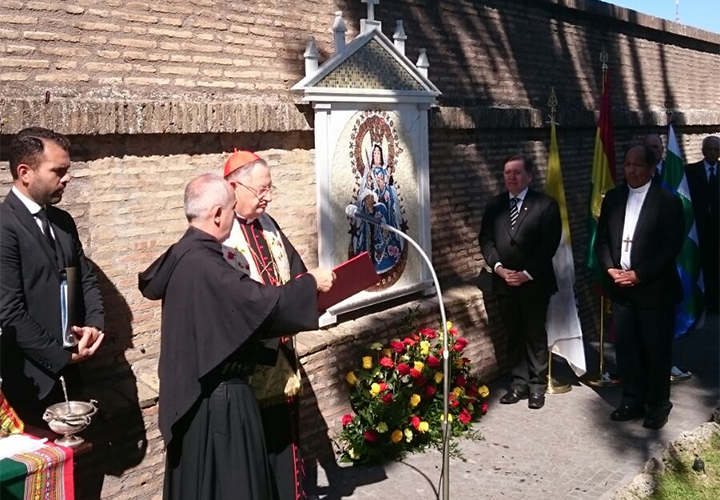
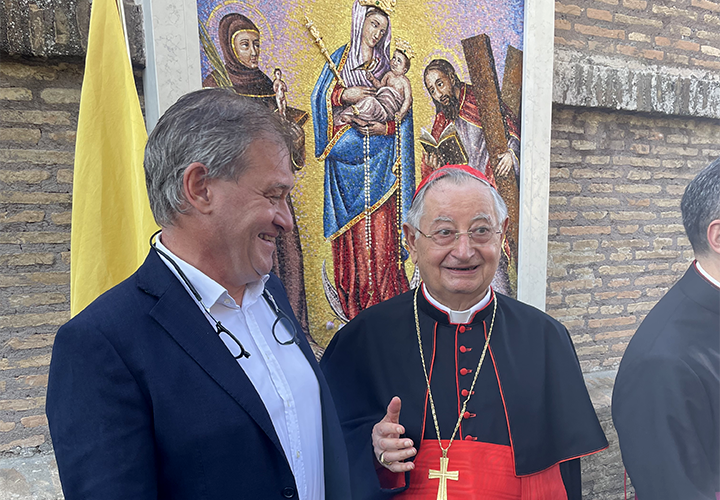
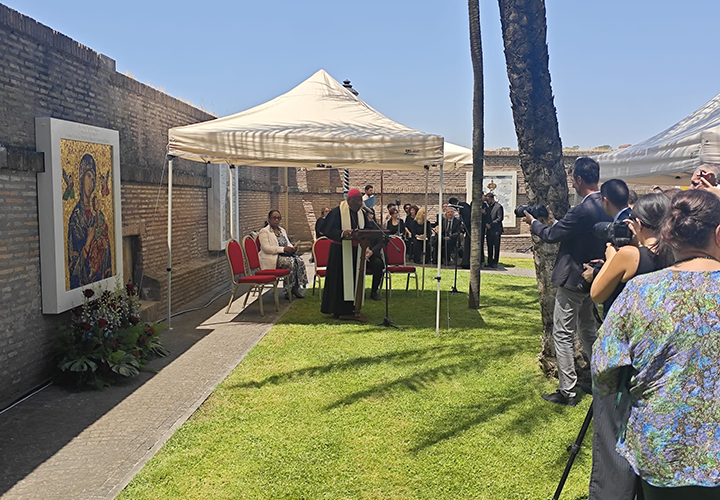
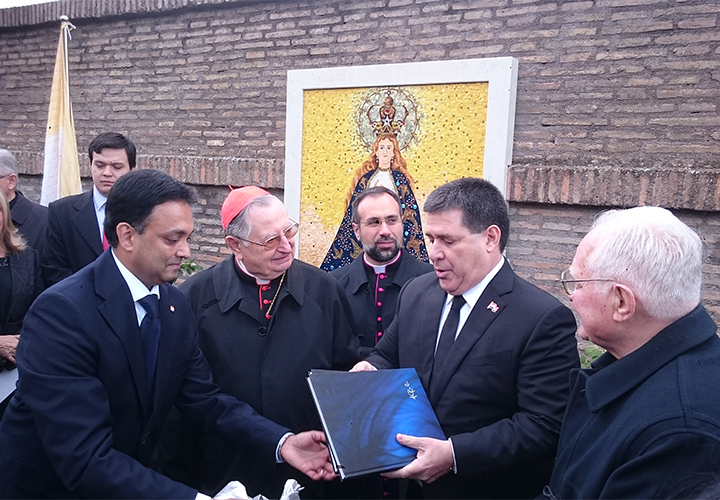
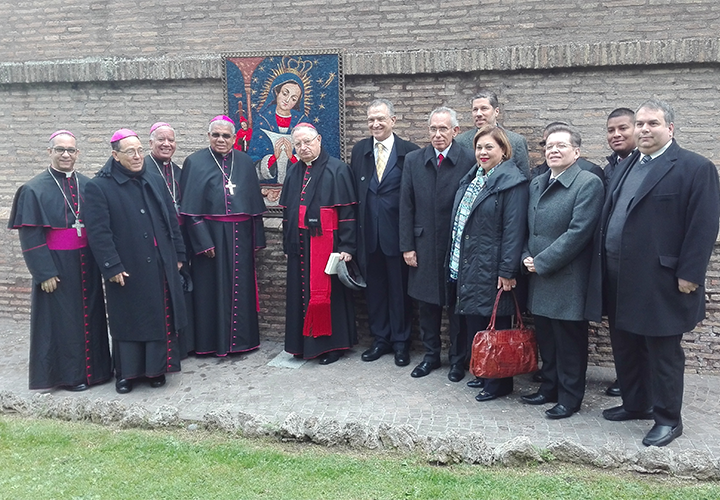
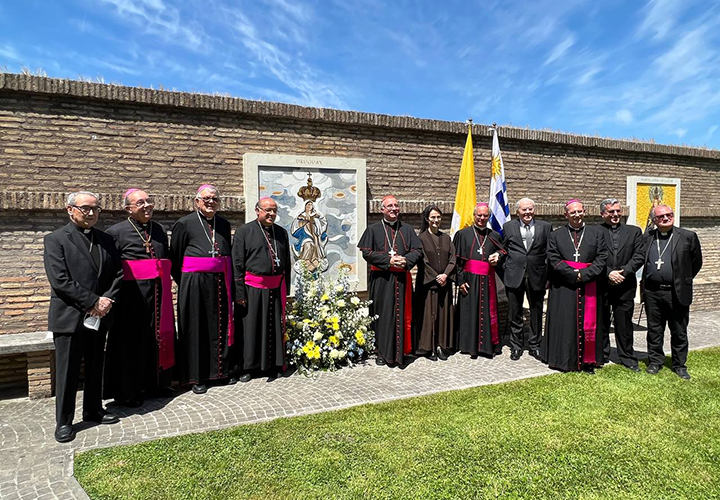
Inauguration of the mosaics

Subscribe our newsletter

Would you like to periodically receive the latest news and projects from Progetto Arte Poli?
Subscribe below


    This site is registered on wpml.org as a development site. Switch to a production site key to remove this banner.